Hindu Kush Himalaya

Hindu Kush Himalaya (HKH)

Hindu Kush Himalaya Latest News

According to a new report by the International Centre for Integrated Mountain Development Hindu Kush Himalaya (HKH) region sees a record 27% drop in snow persistence.

About Hindu Kush Himalaya

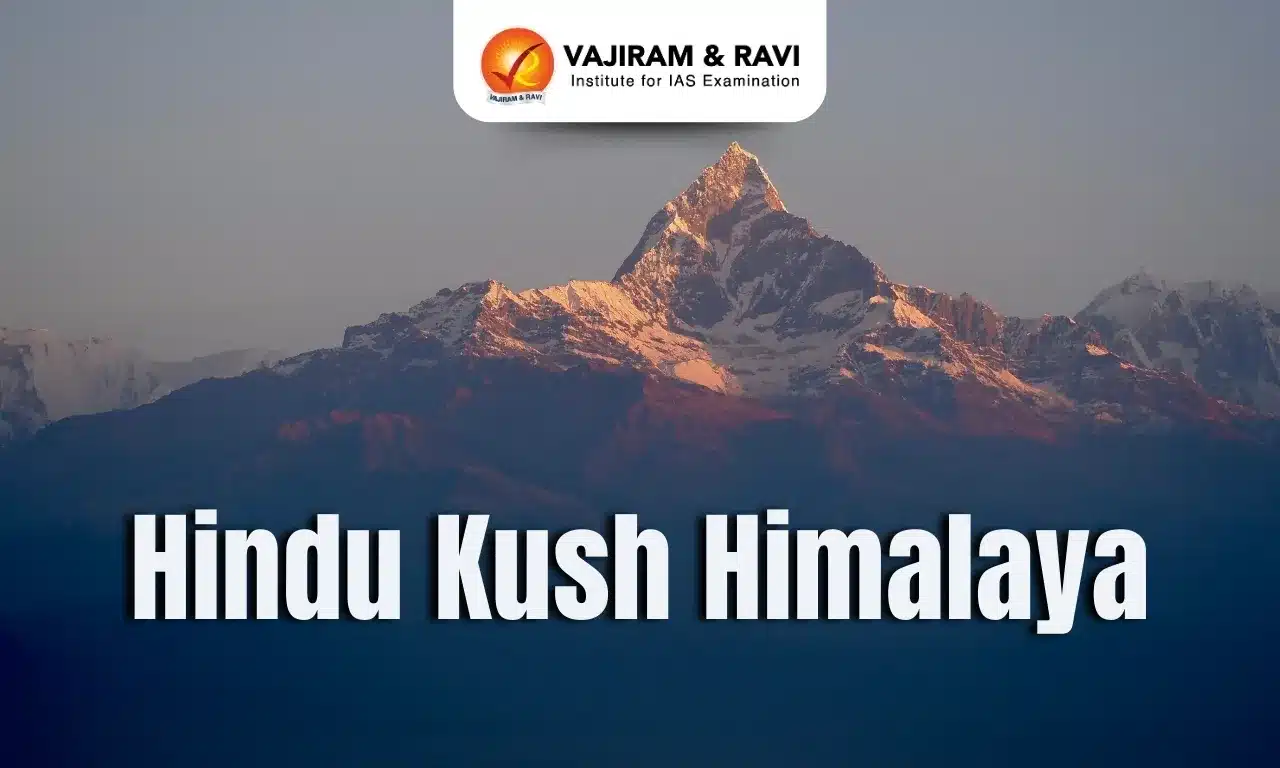
  • It extends around 3,500 km over eight countries — Afghanistan, Bangladesh, Bhutan, China, India, Nepal, Myanmar, and Pakistan.
  • It runs northeast to southwest and divides the valley of the Amu Darya (the ancient Oxus River) to the north from the Indus River valley to the south. 
  • It is considered the Third Pole (after the North and South Poles) and has significant implications for climate.
  • The HKH forms the largest area of permanent ice cover outside of the North and South Poles and is home to 4 global biodiversity hotspots. 
  • Mountains: The range has numerous high snow-capped peaks, with the highest point being Tirich Mir or Terichmir at 7,708 meters (25,289 ft) in Chitral, Pakistan.
  • The HKH region is the source of ten large Asian river systems: the Amu Darya, Indus, Ganges, Brahmaputra, Irrawaddy, Salween, Mekong, Yangtse, Yellow River, and Tarim.
  • Ecosystems: It contains a diverse ecosystem which includes glaciers, alpine meadows, forests, wetlands, and grasslands.
  • HKH may be divided into three main sections: the eastern Hindu Kush, the central Hindu Kush, and the western Hindu Kush, also known as the Bābā Mountains.
  • The inner valleys of the Hindu Kush see little rain and have desert vegetation.

Source: DTE

Hindu Kush Himalaya FAQs

Q1: How many countries does the Hindu Kush Himalaya (HKH) region span?

Ans: Afghanistan, Bangladesh, Bhutan, China, India, Myanmar, Nepal, Pakistan

Q2: Which organization is the nodal knowledge centre for HKH region?

Ans: International Centre for Integrated Mountain Development
Wheat Crop

Wheat Crop

Wheat Crop Latest News

Recently, the government clarified the current wheat production scenario of 2025-26 and said that the crop remains resilient despite weather variations.

About Wheat Crop

  • Wheat is the second most important staple food crop in India after rice.
  • It is a temperate crop that thrives in cool and dry climates.
  • It is primarily grown as a Rabi crop, meaning it is sown in the winter season and harvested in spring.
  • Required climatic conditions for wheat cultivation
    • Temperature: A cool temperature (10°C to 15°C) during sowing and 21°C to 26°C during ripening ensures optimum growth and grain quality.
    • Rainfall: Wheat requires 50-75 cm of well-distributed rainfall.
    • Excessive rain or humidity during the ripening period can harm the crop, while drizzles brought by Western Disturbances in northwestern India during winter significantly improve yields.
    • Sunlight: Bright sunshine during ripening improves grain formation and quality.
    • Frost: Frost or hailstorms during the flowering stage can damage the crop severely.
    • Soil: It grows well in a clay loam or loam texture soil.
  • Major Wheat Producing Countries: China, India, Russia and the United States.
  • Major Wheat Producing States: Punjab, Haryana, Uttar Pradesh, and Bihar

Source: PIB

Wheat Crop FAQs

Q1: Wheat is classified as which type of crop in India?

Ans: Rabi crop

Q2: Which type of soil is best suited for wheat?

Ans: Well-drained loamy & clay loam soil

Mali

Mali

Mali Latest News

Recently, India advised its nationals in Mali to remain highly vigilant, exercise utmost caution and stay indoors due to recent security developments in the West African nation.

About Mali

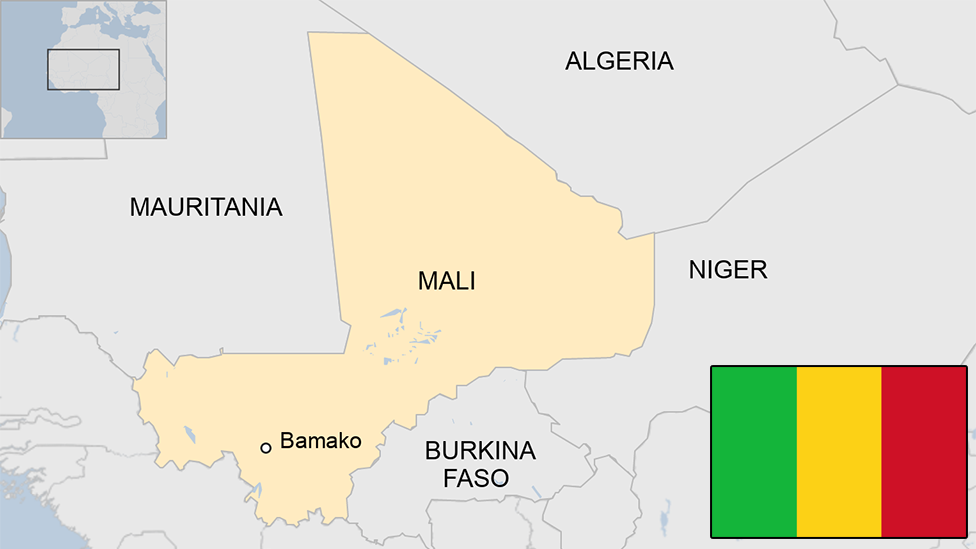
  • Location: It is a landlocked country in West Africa.
  • Bordering Countries: It shares its border with Algeria (north), Niger and Burkina Faso (east), Côte d’Ivoire and Guinea (south), and Senegal and Mauritania (west).
  • Capital City: Bamako 

Geographical Features

  • Climate: It experiences a tropical savanna climate in the south becoming a desert climate in the north. 
  • Terrain: Approximately 65% of the country is covered by desert or semi-desert.
  • The Sahara Desert makes up a large portion of Mali’s total land area. 
  • The landscape transitions from the Sahara Desert in the north through the Sahel to the zone of Sudanian savanna in the south.
  • River: The Niger River flows through its interior, serving as its main source of water. 
  • Highest point:  Hombori Tondo at 3,789 ft (1,155 m).
  • Natural Resources: It includes gold, uranium, diamonds, copper, iron ore, precious stones, zinc, manganese, bauxite etc.

Source: TH

Mali FAQs

Q1: Mali is a landlocked country located in which region of Africa?

Ans: West Africa

Q2: What is the capital of Mali?

Ans: Bamako

Olive Ridley Turtle

Olive Ridley Turtles

Olive Ridley Turtle Latest News

Olive Ridley turtles from Tamil Nadu have begun migrating towards the Sri Lanka Dome, a little-known but highly productive ocean region.

About Olive Ridley Turtle

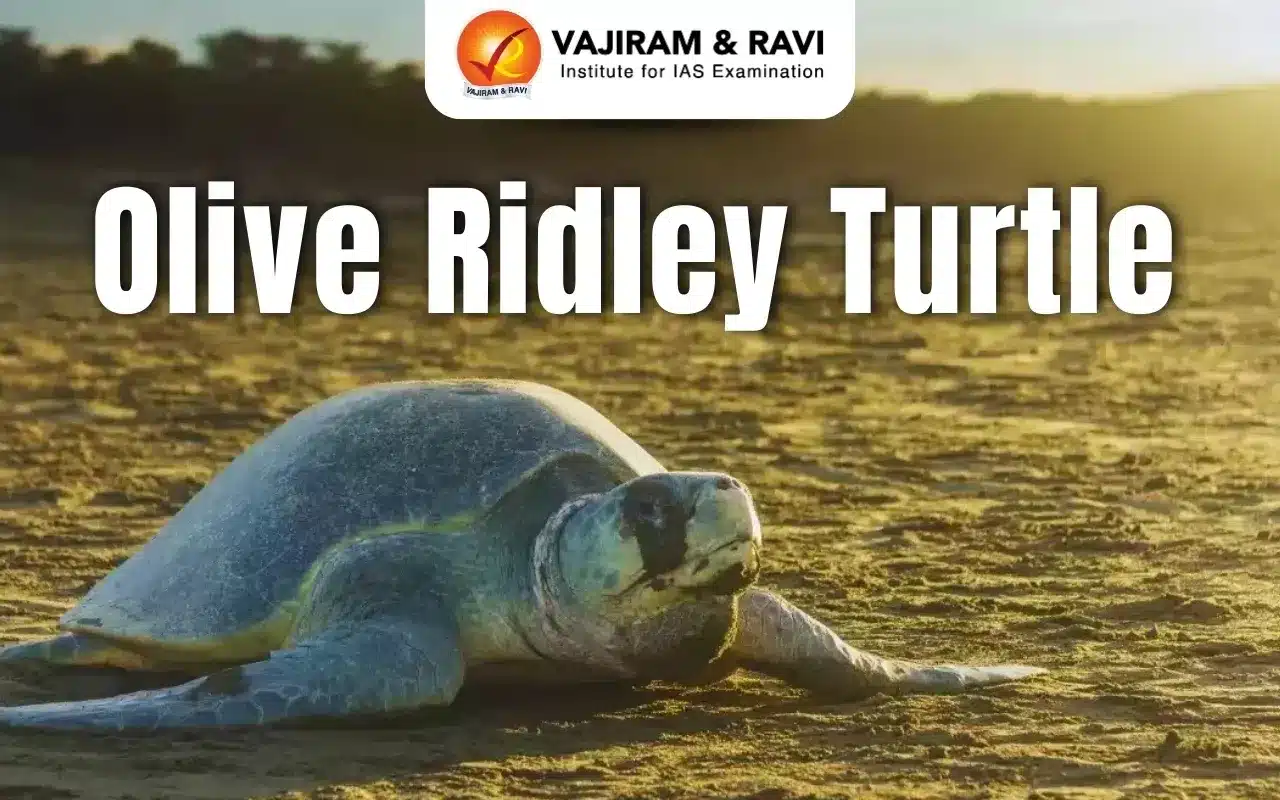
  • It is the smallest and most abundant of all sea turtles found in the world.
  • It gets its name from the olive green colouration of its carapace (shell). 
  • It is best known for its unique mass nesting, called Arribada, where thousands of females come together on the same beach to lay eggs.

Distribution of Olive Ridley Turtle

  • They are mainly found in the warm waters of the Pacific, Atlantic, and Indian oceans.
  • Odisha’s Gahirmatha Marine Sanctuary is known as the world’s largest rookery (a colony of breeding animals) of sea turtles.

Features of Olive Ridley Turtle

  • They are omnivorous, meaning they feed on both plants and animals.
  • They are solitary, preferring the open ocean.
  • These turtles spend their entire lives in the ocean, and migrate thousands of kilometers between feeding and mating grounds in the course of a year.

Conservation Status of Olive Ridley Turtle

  • IUCN Red List: Vulnerable
  • CITES: Appendix I
  • Wildlife Protection Act, 1972: Schedule 1

What is the Sri Lanka Dome?

  • It is considered one of the most productive regions in the Indian Ocean.
  • Formation: It is formed by seasonal upwelling that brings cool, nutrient-rich waters to the surface, triggering plankton blooms that attract turtles, fish, whales, and seabirds.
  • This phenomenon typically begins in May, peaks in July, and declines by September, after which the turtles disperse and begin their return migration.

Source: TH

Olive Ridley Turtle FAQs

Q1: What is the IUCN Red List status of Olive Ridley Turtle?

Ans: Vulnerable

Q2: Under which Schedule of Wildlife Protection Act, 1972 is Olive Ridley protected in India?

Ans: Schedule I

Bhoramdeo Wildlife Sanctuary

Bhoramdeo Wildlife Sanctuary

Bhoramdeo Wildlife Sanctuary Latest News

The Chhattisgarh government is set to launch a new jungle safari in the Bhoramdeo Wildlife Sanctuary soon.

About Bhoramdeo Wildlife Sanctuary

  • Bhoramdeo Wildlife Sanctuary, also known as Bhoramdev Wildlife Sanctuary, is located in the Kawardha district of Chhattisgarh.
  • It is part of the larger Maikal range of the Satpura hills, which is known for its unique ecosystem. 
  • It is part of the Kanha-Achanakmar Corridor, which connects Kanha National Park in Madhya Pradesh with Achanakmar Wildlife Sanctuary in Chhattisgarh. 
  • Named after the famous Bhoramdeo Temple situated nearby, the sanctuary covers an area of approximately 352 sq.km.
    • Bhoramdeo Temple, an ancient temple complex dating back to the 7th to 11th centuries, was built by the Nagvanshi dynasty
    • The temple is dedicated to Lord Shiva and is often referred to as the “Khajuraho of Chhattisgarh,”.
  • The sanctuary’s terrain is characterized by undulating hills, dense forests, and numerous streams.
  • The region surrounding Bhoramdev Wildlife Sanctuary is inhabited by various tribal communities, including the Baiga, Gond, and Kanwar tribes.
  • Rivers: This wildlife sanctuary is the origin of the Fen and Sankari rivers.
  • Vegetation: The sanctuary’s diverse ecosystem includes tropical moist and dry deciduous forests. 
  • Flora: Lush forests of Saaj, Sal, Tendu, and Nilgiri trees.
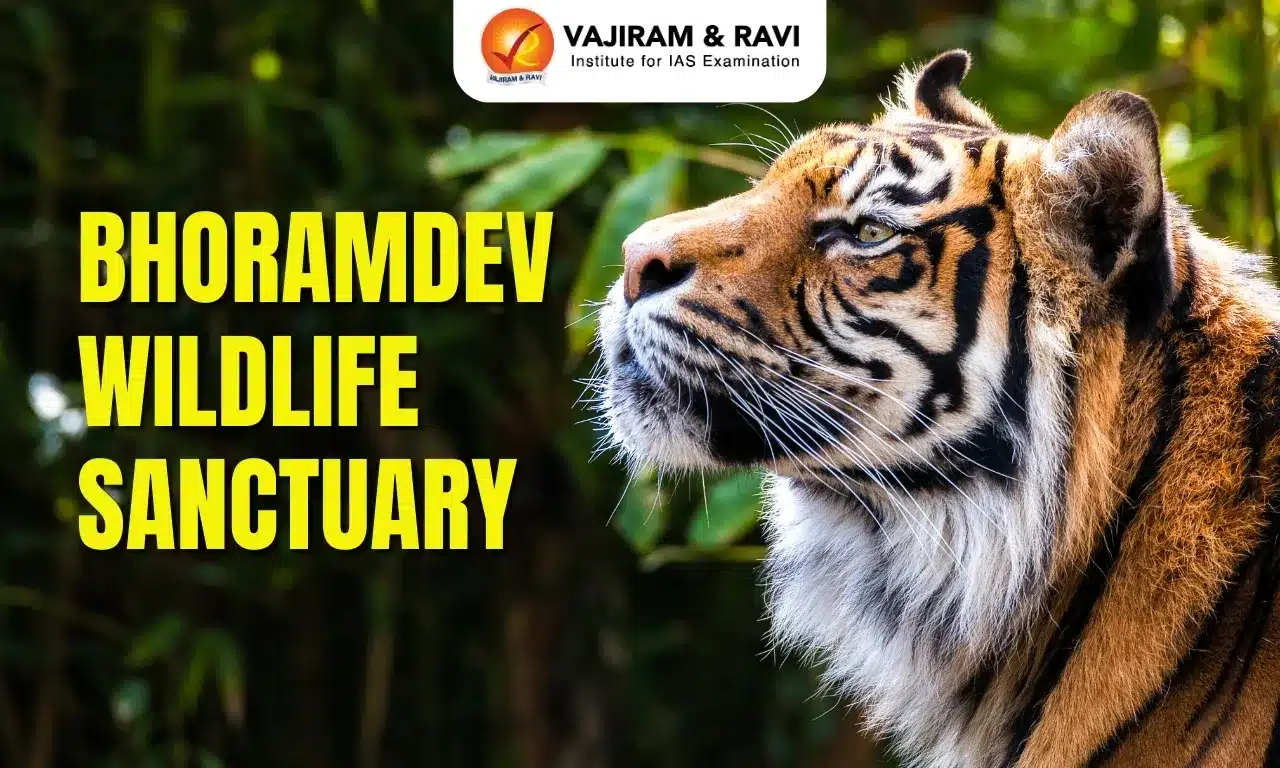
  • Fauna: It is home to a variety of wildlife, including tigers, leopards, sloth bears, and various species of deer and birds.

Source: ETVB


Bhoramdeo Wildlife Sanctuary FAQs

Q1: Where is Bhoramdeo Wildlife Sanctuary located?

Ans: Kawardha district of Chhattisgarh

Q2: Bhoramdeo Wildlife Sanctuary is part of which mountain range?

Ans: Maikal Range

Q3: Bhoramdeo Wildlife Sanctuary is part of which ecological corridor?

Ans: Kanha-Achanakmar Corridor

Q4: After which temple is Bhoramdeo Wildlife Sanctuary named?

Ans: Bhoramdeo Temple

Q5: Which rivers originate from Bhoramdeo Wildlife Sanctuary?

Ans: Fen River and Sankari River

Gond Tribe

Gond Tribe

Gond Tribe Latest News

Recently, the Gond tribe travelled from Bastar, Chhattisgarh to the heart of Delhi with one message: protect the earth, stop the destruction.

About Gond Tribe

  • The Gond or Gondi (Gōndi) or Koitur are a Dravidian ethno-linguistic group. 
  • Distribution: The states of Madhya Pradesh, Chhattisgarh, Maharashtra, and Odisha are home to the largest Gond populations. 
    • Gond tribes also live in the states of Uttar Pradesh, Telangana, Andhra Pradesh, Bihar, Karnataka, Jharkhand, West Bengal, and Gujarat.
  • Gonds are mainly divided into four tribes, namely Raj Gonds, Madia Gonds, Dhurve Gonds, and Khatulwar Gonds.
  • Language
    • The majority of Gond people speak dialects of Gondi, an unwritten language of the Dravidian language family. 
    • Some Gonds have lost their own language and speak Hindi, Marathi, or Telugu, depending on which is dominant in their area. 
  • Economy: The basis of the Gond economy is agriculture, but they also practice animal husbandry.  Some Gonds also gather wild plants to eat. 
  • Belief and Traditions
    • Religion: The religion of the Gond tribes centers on clan and village gods, together with ancestor worship.
    • Customs and Festivals: Keslapur Jathra and Madai are important festivals of the Gonds. 

Source: DTE

Gond Tribe FAQs

Q1: What is the traditional dwelling of Gonds called?

Ans: Gondi house

Q2: Which Gond art form received GI tag in 2023?

Ans: Gond painting

Artemis Accord

Artemis Accord

Artemis Accord Latest News

Recently, Jordan signed the Artemis Accords at NASA Headquarters.

About Artemis Accord

  • It was launched in 2020.
  • The Artemis Accords are a non-binding set of principles designed to guide civil space exploration.
  • It provides a common set of principles to enhance the governance of the civil exploration and use of outer space.
  • It was co-led by NASA and the U.S. Department of State, together with seven other founding member nations (Australia, Canada, Italy, Japan, Luxembourg, the United Arab Emirates, and the United Kingdom).
  • India is also a signatory to this accord.
  • The principles of the Artemis Accords include:
    • Peaceful exploration, 
    • Full transparency in space activity, including public release of scientific data, 
    • Interoperability of systems to enhance safety and sustainability, 
    • Emergency assistance to personnel in distress, 
    • Preserving outer space heritage, 
    • Extracting and utilising space resources in compliance with the Outer Space Treaty, and 
    • The safe disposal of orbital debris.

Source: NASA

Artemis Accords FAQs

Q1: Which space agency initiated the Artemis Accords?

Ans: NASA – Launched in 2020

Q2: What are the Artemis Accords?

Ans: Set of non-binding principles for civil space exploration of Moon, Mars, comets, asteroids

Malaria

Malaria

Malaria Latest News

Recently, the World Health Organization announced that it had given prequalification approval to a malaria treatment for newborns and infants for the first time.

About Malaria

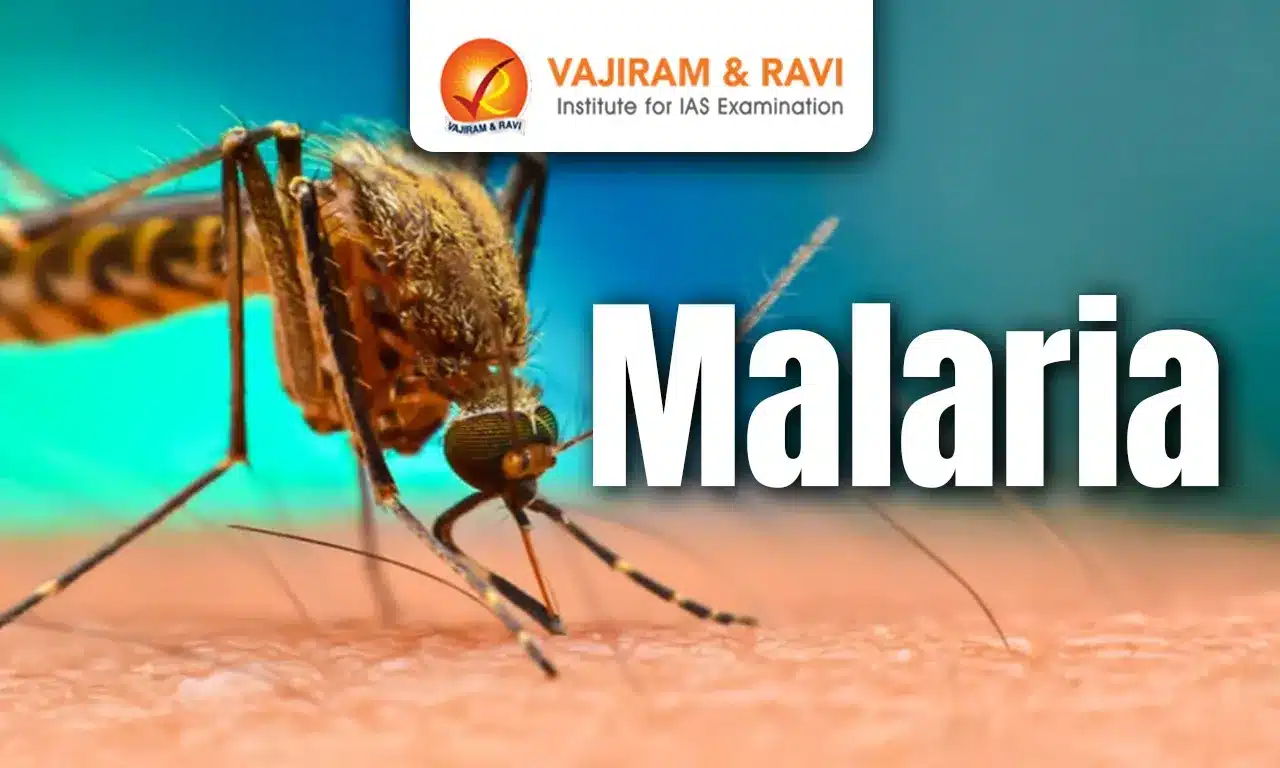
  • Malaria is a life-threatening febrile illness caused by Plasmodium parasites.
  • Transmission: It is transmitted through the bites of infected female Anopheles mosquitoes.
  • It is not contagious, but can be spread through infected blood or contaminated needles.
  • Risk: Infants, children under 5 years, pregnant women and girls, travellers and people with HIV or AIDS are at higher risk of severe infection. 
  • Symptoms
    • Symptoms appear 10–15 days after infection and include fever, chills, and headache.
    • Severe symptoms can include seizures, difficulty breathing, jaundice, dark urine, and death if untreated.
  • Treatments include
    • ACTs (Artemisinin-based Combination Therapies) for P. falciparum.
    • Chloroquine for P. vivax 
    • Primaquine to prevent relapses in P. vivax and P. ovale infections.

Source: TH

Malaria FAQs

Q1: Malaria is caused by which type of organism?

Ans: Protozoan parasite – Plasmodium species

Q2: Which mosquito is the vector for malaria?

Ans: Female Anopheles mosquito

Luzon Island

Key Facts about Luzon Island

Luzon Island Latest News

China’s military recently said it conducted military drills including live-fire exercises in waters east of the Philippines’ Luzon Island.

About Luzon Island

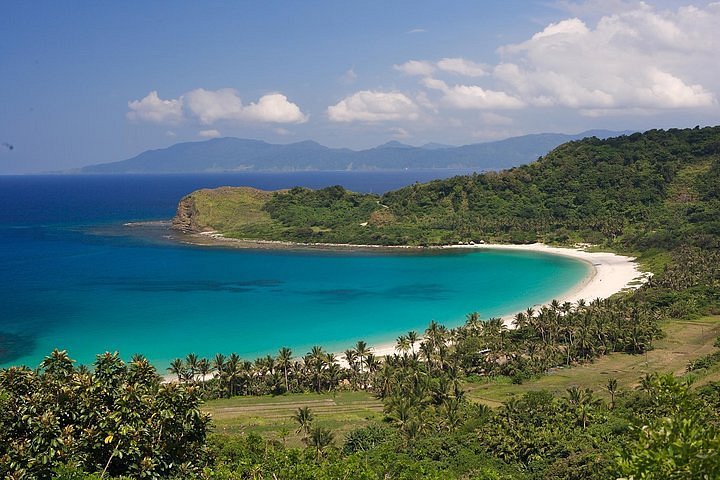
  • It is the largest and most important island of the Philippines
  • It is found in the northern part of the country.
  • More than half of the Filipino population lives on Luzon.
  • Manila, the capital city of the Philippines, is located on this island.
  • It is bounded by the Philippine Sea (east), Sibuyan Sea (south), and the South China Sea (west). 
  • To the north, the Luzon Strait separates Luzon from Taiwan.
  • Luzon’s coastline, more than 5,000 km long, is indented by many fine bays and gulfs, including Lingayen Gulf and Manila Bay on the west and Lamon Bay and Lagonoy Gulf on the east. 
  • The important ranges are the Cordillera Central in the north; the Sierra Madre, following much of the east coast; and the Zambales Mountains on the central-western coast. 
  • Mount Pulog (2,930 metres) is the island’s highest peak.
  • There are also famous volcanoes like Mount Mayon (known for its perfect cone shape) and Mount Pinatubo. 
  • Luzon has the largest lake in the Philippines, the Laguna de Bay.
  •  The major rivers are Cagayan, Abra, Agno, Pampanga, and Bicol.
  • In addition to Manila, the main cities of Luzon are Quezon City, Pasay, Cabanatuan, Legaspi, Baguio, Batangas, and Laoag. 
  • Luzon leads the country both in industry (concentrated near Manila) and in agriculture (rice, corn [maize], coconuts, sugarcane, mangoes, bananas).

Source: TP


Luzon Island FAQs

Q1: What is the largest island of the Philippines?

Ans: Luzon Island

Q2: Which sea lies to the east of Luzon Island?

Ans: Philippine Sea

Q3: Which sea lies to the west of Luzon Island?

Ans: South China Sea

Q4: What is the highest peak on Luzon Island?

Ans: Mount Pulog

Q5: Which volcano on Luzon is famous for its perfect cone shape?

Ans: Mount Mayon

Kanha Tiger Reserve

Kanha Tiger Reserve (KTR)

Kanha Tiger Reserve Latest News

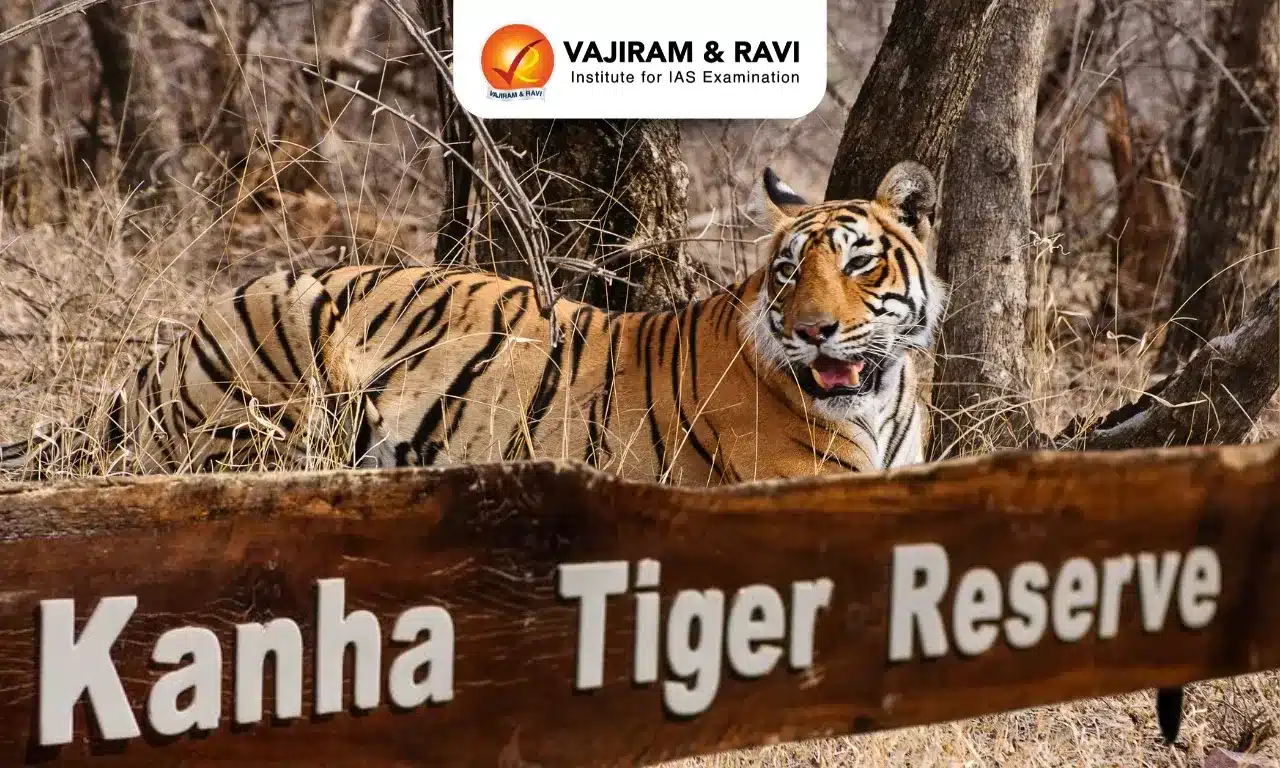
Recent back-to-back cub deaths in Kanha put the spotlight on tiger monitoring systems.

About Kanha Tiger Reserve

  • Location: It is located in the “Maikal” ranges of the Satpuras in the state of Madhya Pradesh.
  • Corridor: It has an active corridor between Kanha and Pench Tiger Reserves. Kanha is also connected with the Achanakmar Tiger Reserve of Chhattisgarh State. 
  • Terrain: It is characterized mainly by forested shallow undulations, hills with varying degrees of slopes, plateaus, and valleys.
  • Tribal Communities: The region is known for some of the ancient tribal communities, like the Gond and Baiga still inhabit the region. 
  • It is also the first tiger reserve in India to officially introduce a mascot, “Bhoorsingh the Barasingha”. 
  • Vegetation: It primarily consists of a moist Sal and moist mixed deciduous forest.
  • Flora: Bamboo, Tendu, Sal, Jamun, Arjun, and Lendia flourish.
  • Fauna: The Park has a significant population of Royal Bengal Tigers, leopards, sloth bears, and Indian wild dogs.

Source: IE

Kanha Tiger Reserve FAQs

Q1: Kanha Tiger Reserve is located in which state?

Ans: Madhya Pradesh

Q2: Kanha Tiger Reserve forms part of which larger landscape?

Ans: Satpura-Maikal Landscape

Enquire Now